


Posted by Britten & James on 12th Mar 2026
Keeping Pets Healthy this Spring
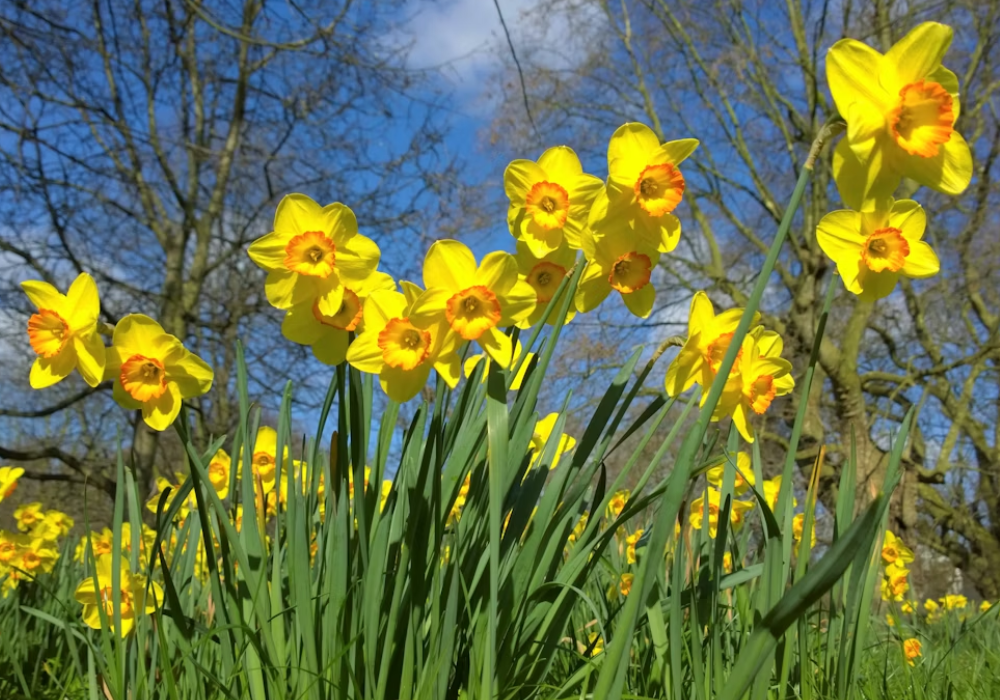 |
Toxic spring plants: Many common garden plants, including daffodils and tulips, are poisonous to pets. Bulbs contain a higher concentration of toxins, so take extra care when gardening and ensure your pet cannot access them. Should you have any concern that your pet has ingested part of a toxic plant, please contact your vet straight away. | |
 |
Paint: If you're planning any painting or decorating outdoors this spring, please do keep your pets well away from wet paint. Both paint and paint fumes can cause harm if inhaled or swallowed, so it's well worth taking a little extra care. |
|
 |
Clocks Change The shift to British Summer Time in late March can unsettle your pet's routine more than you might expect. A little gentle preparation beforehand like gradually adjusting feeding and walk times in the days leading up to the change will help them settle in comfortably. |
|
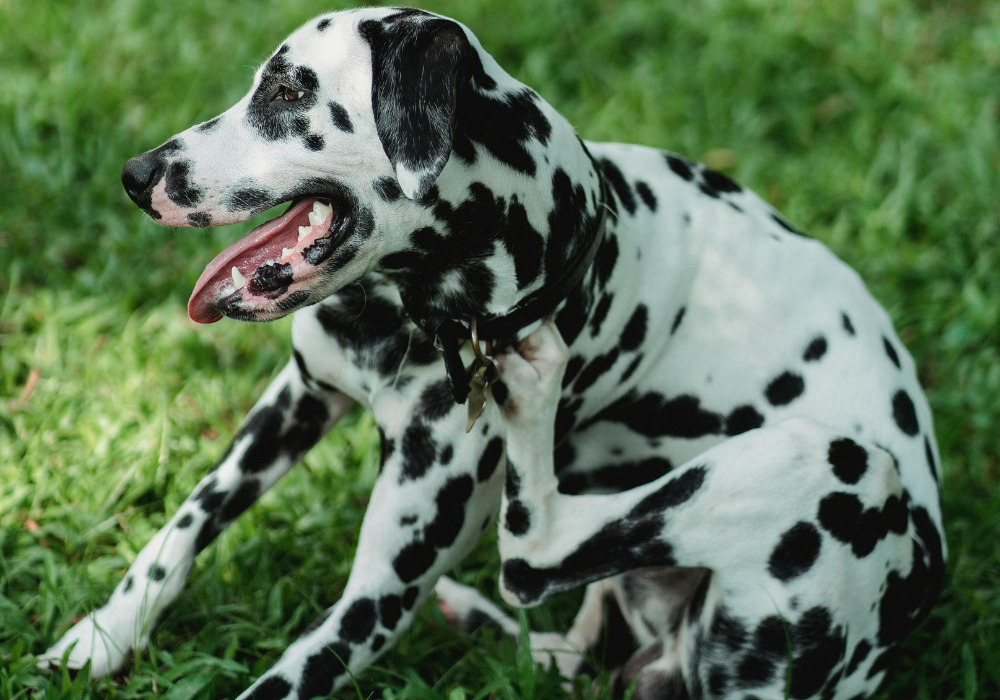 |
Fleas and Worms: Fleas thrive in warmer conditions, so spring is a particularly important time to ensure your pet's flea treatment is kept current. Worming should be maintained consistently throughout the year, regardless of season, it's one of those things that's easy to let slip but really does make a difference to your pet's health and comfort. | |
 |
Chocolate: Please store all chocolate well out of your pet's reach, treating it with the same caution you would a household medication. If you have any concern that your pet has eaten chocolate, please contact your vet immediately. | |
a
|
|
Amphibians |
|
 |
|
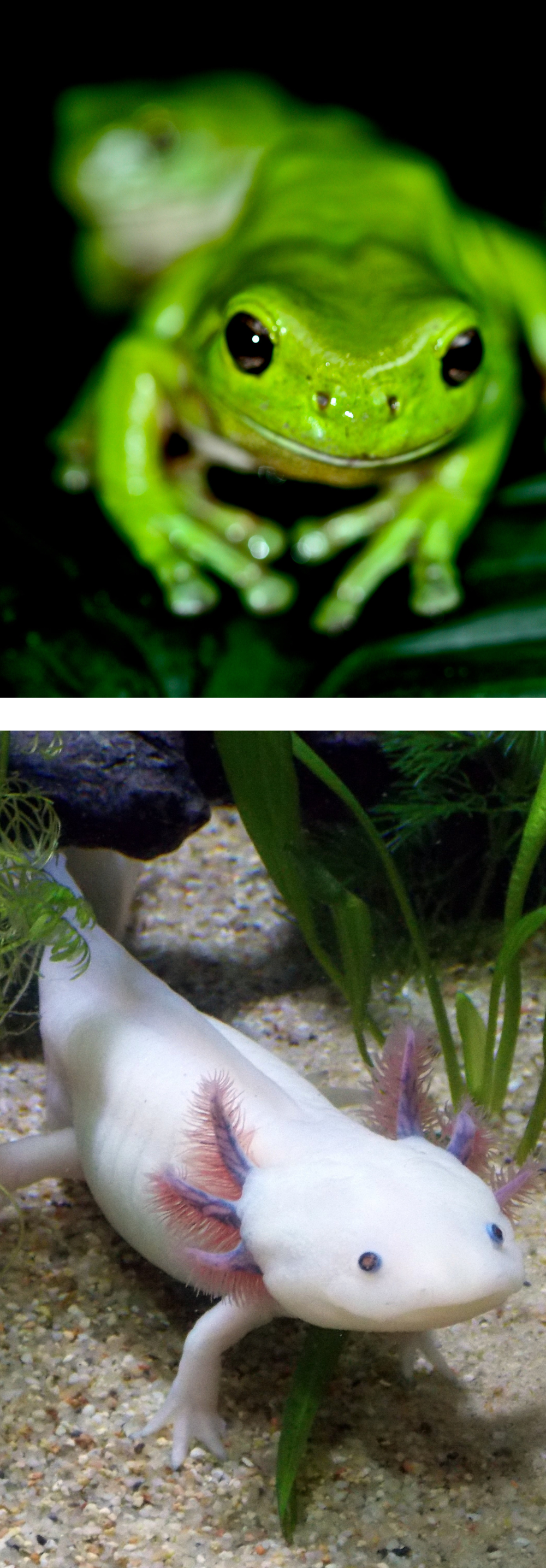
Pet amphibians such as frogs and axolotls become noticeably more active as temperatures begin to rise. Please adjust their environment gradually to reflect the seasonal change, and avoid any sudden fluctuations in temperature, which can be quite stressful for them. Spring is a lovely opportunity to give the vivarium a thorough clean and to check UVB lighting. These bulbs should be replaced at least once a year, even if they still appear to be producing light, their effectiveness diminishes over time. If you are lucky enough to have a garden pond, please keep all garden chemicals well away from it during amphibian spawning season, and take care not to disturb any frog or toad spawn you find. |
| Cats | ||
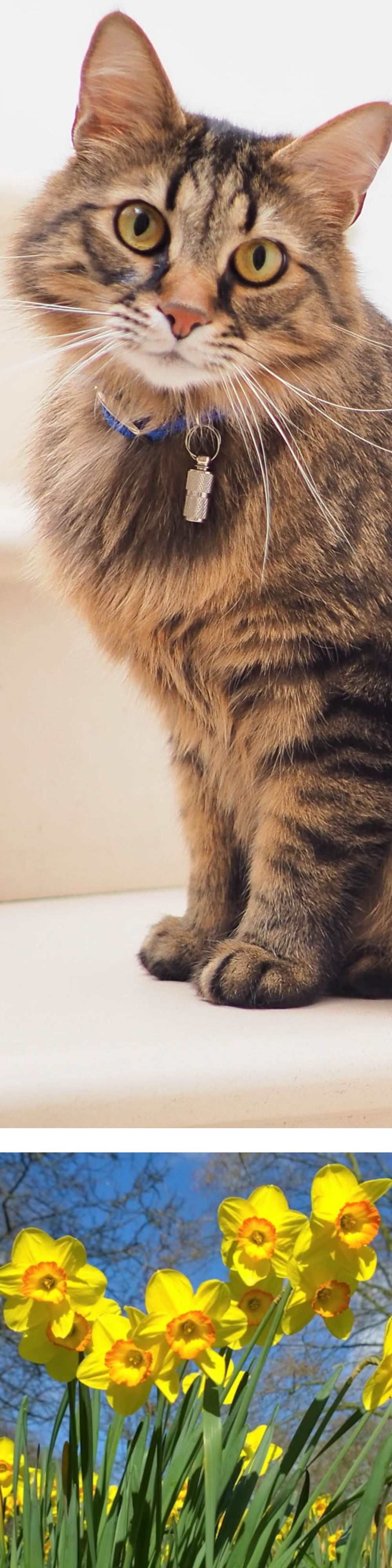 |
Female cats cycle into season approximately every two to three weeks from February through to October. Neutering is warmly recommended — it not only prevents unwanted pregnancies but also protects your cat from viruses spread through mating and fighting, and from serious conditions such as pyometra, which can be life-threatening. As your cat begins to venture further afield in the warmer months, check that their collar ID tag is secure and legible and that their microchip details are up to date, especially if you have changed address. Ticks become active from early spring. Check your cat gently but thoroughly after time outdoors, particularly around the ears, neck and between the toes. Many cats shed quite heavily in spring. Regular, gentle brushing will help manage loose fur and reduce the risk of uncomfortable hairballs. Please make sure your cat cannot access spring bulbs such as daffodils and tulips in the garden or home, even if only small amounts are eaten they can cause serious harm. |
|
| Cockatiels, Lovebirds & Parakeets | ||
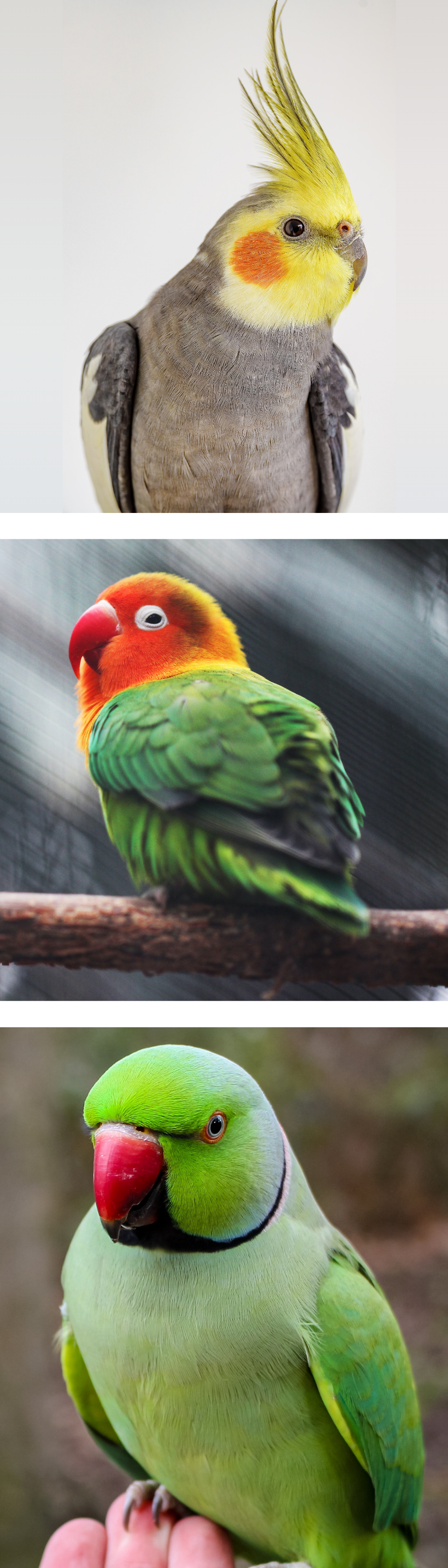 |
Like parrots, these much-loved birds experience heightened hormonal activity in spring. Increased vocalisation, nesting behaviour and, in females, the possibility of egg-laying without a mate are all quite normal at this time of year. If your bird lays eggs please ensure that calcium is readily available to help with healthy shell and bone growth. Cuttlefish bone is a natural and simple way to provide this, and helps to keep beaks trim, so is something many bird owners offer year-round as a matter of course. The longer, brighter days bring more energy and curiosity, so it's a lovely time to review cage size and enrichment. A stimulated, active bird is a happy and healthy one! Do keep cages away from open windows or draughts. Even on mild spring days, sudden temperature changes can cause chills in these smaller birds. |
|
| Dogs | ||
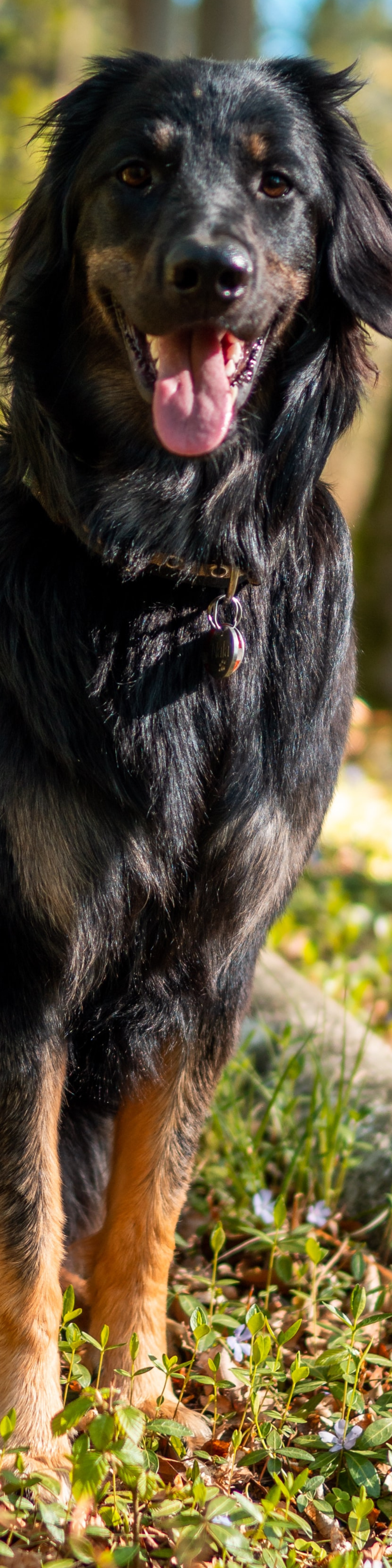 |
With longer, warmer days with us at last, we can start taking longer walks with our dogs again. Remember to keep your dog on a short lead when passing farm animals, particularly those with young offspring nearby. On hotter days, remember that early morning or evening walks are much kinder for dogs, and always make sure that your dog has access to fresh, cool water and hydrating treats. After walks gently check your dog's paws for grass seeds, which start appearing in spring and can burrow into the skin, causing painful infections that sometimes go unnoticed until they become quite serious. Walking in muddy woodlands in wetter months has been linked to Alabama Rot. Rinsing mud from your dog's paws and legs after rural walks is a simple precaution. Please do speak to your vet promptly if you notice any unexplained skin lesions, catching something like this early can make a real difference. |
|
| Ferrets | ||
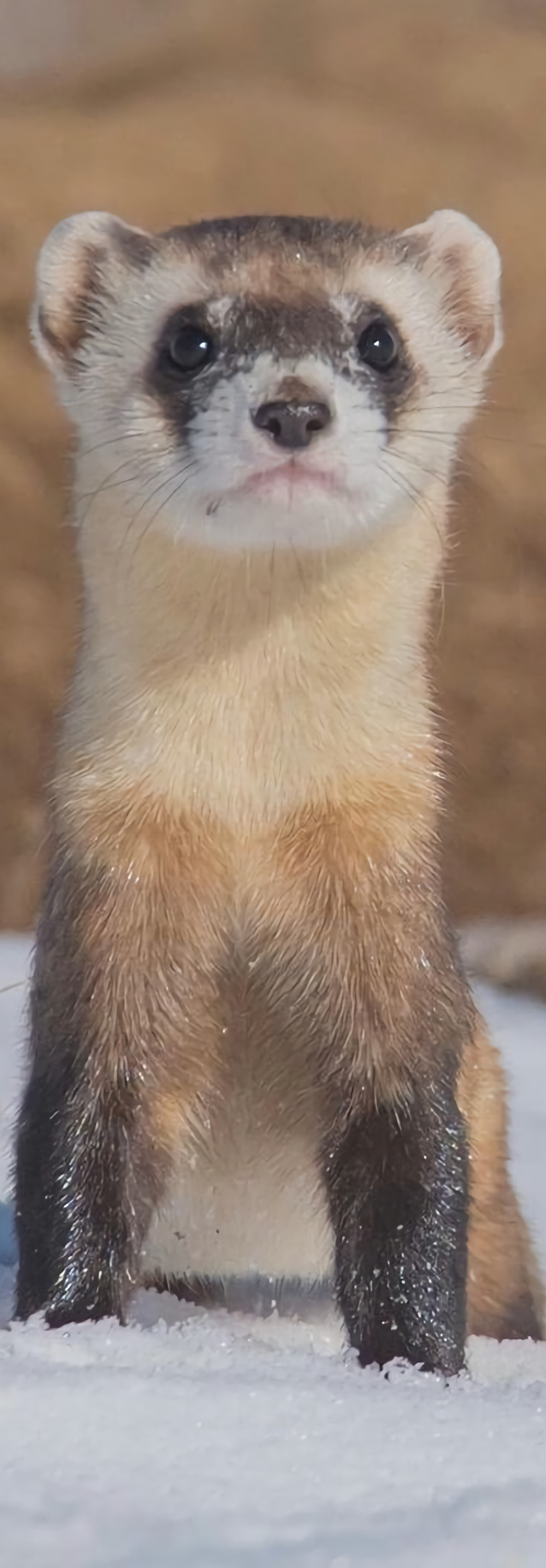 |
A dramatic spring coat shed can look quite alarming if you haven't seen it before, but please be reassured that it is entirely normal. Regular, gentle grooming will help keep your ferret comfortable during this time. Do make sure annual vaccinations are up to date as the warmer, more active months approach, and take a moment to check harnesses and enclosures for any signs of wear or weakness. Female ferrets that come into season without being mated need protection from aplastic anaemia. It's caused by prolonged oestrogen exposure and can sadly be fatal. Please do speak to your vet about neutering or a hormonal implant well in advance of the breeding season, so your jill is fully protected. |
|
| Guinea Pigs | ||
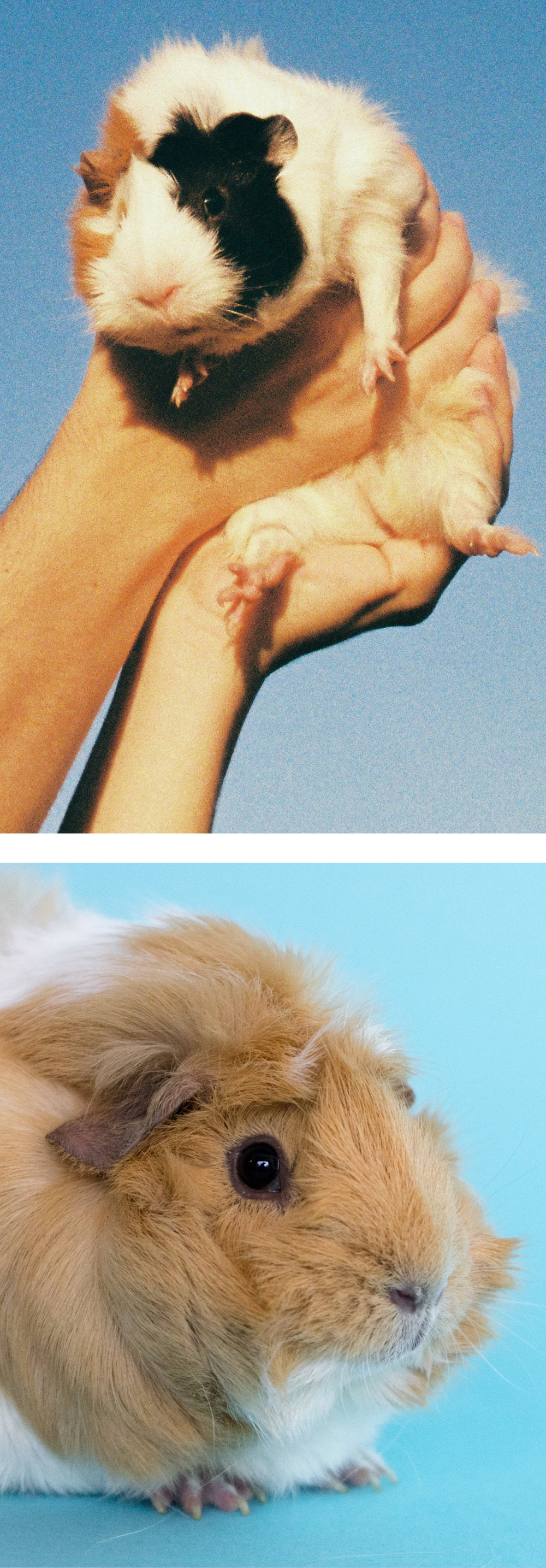 |
Guinea pigs can begin to enjoy time in outdoor runs on warmer spring days, which they tend to love. Do make sure they always have access to shade and a sheltered area as they can be vulnerable to the sudden cold snaps and hot days that Spring can bring these days. Fresh spring grass is a real treat for guinea pigs, but please introduce it gradually to give their digestive system time to adjust after the winter months. Look out for excessive scratching, restlessness and patchy hair loss as Spring can bring an increase in mite and lice activity. If you have any concerns at all, have a chat with your vet to resolve it as soon as possible. Please do take the time to check that outdoor runs are thoroughly predator-proofed. Foxes are especially active during the spring cubbing season. |
|
| Hamsters & Gerbils | ||
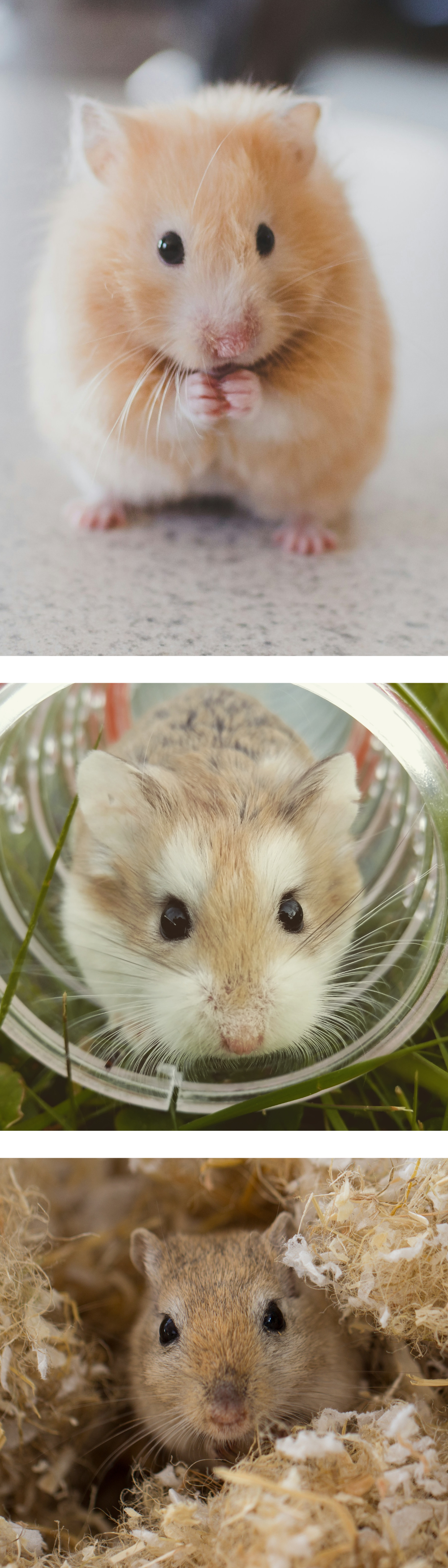 |
Some hamsters experience periods of torpor during colder months. As the warmth returns, do keep a gentle eye on them to make sure they are eating, drinking and moving about as normal. Please avoid placing cages in direct spring sunlight. Small animals have very little ability to regulate their own temperature so can overheat very quickly. If you keep gerbils in pairs or groups, watch for any signs of increased territorial behaviour as spring arrives. A little extra vigilance can help you spot and address any issues early. Fresh herbs such as parsley and coriander make a tasty and enriching treat for both hamsters and gerbils. Spring is a good time to give enclosures a thorough clean and review bedding depth. Providing plenty of deep bedding really supports the natural burrowing behaviours that are so important for these little creatures' wellbeing. |
|
|
Parrots |
||
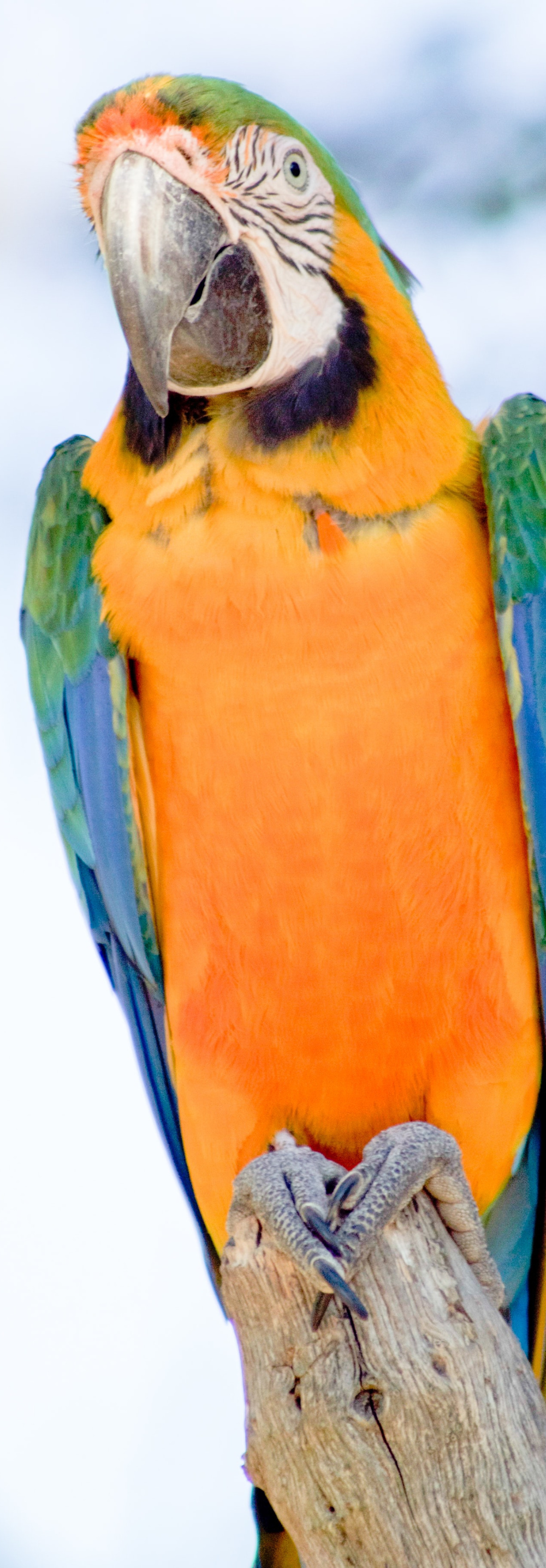 |
Spring brings significant hormonal changes for parrots, so you may see increased aggression, feather plucking or egg-laying, which is entirely natural. Maintaining calm, consistent routines and avoiding overstimulation will go a long way towards helping your bird feel settled and secure. As the evenings grow lighter, your parrot still needs 10 to 12 hours of darkness each night. A good quality cage cover can make this easy. Parrot's respiratory systems are extraordinarily sensitive. Use only bird-safe, fragrance-free products in any room they occupy, and please avoid aerosol sprays entirely in their vicinity. Always ensure windows and doors are securely screened before allowing free flight indoors, and check that any spring flowers or houseplants you bring inside are safe for birds. Many common varieties are actually harmful for parrots. |
|
| Pigeons | ||
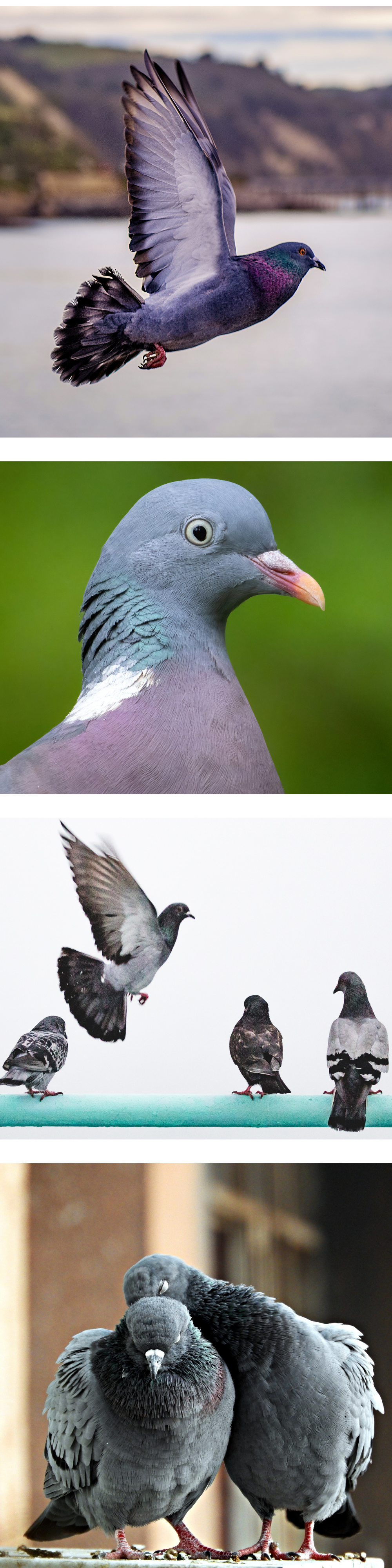 |
Taking time to do some preparation now will go a long way. If you keep racing or fancy pigeons, please ensure the loft is thoroughly cleaned and disinfected before the season begins. A fresh, hygienic environment gives your birds the very best start and helps to keep them healthy. As always, fresh, clean water should always be available for drinking and bathing. Remember too to clean drinkers regularly to keep them safe and fresh. During breeding season, keep a caring eye on breeding pairs and watch for any signs of respiratory illness. Warmer, more humid conditions can allow infections to spread more quickly, so early attention is always worth it to ensure that your pigeons are healthy. High-quality, protein-rich breeding feed and calcium-rich treats will support your birds through egg production and the growth of squabs, which can be a demanding time for parent birds. Extra energy and nutrients at this time can really help pigeon parents to stay in good health and to raise healthy young. |
|
| Pond Fish | ||
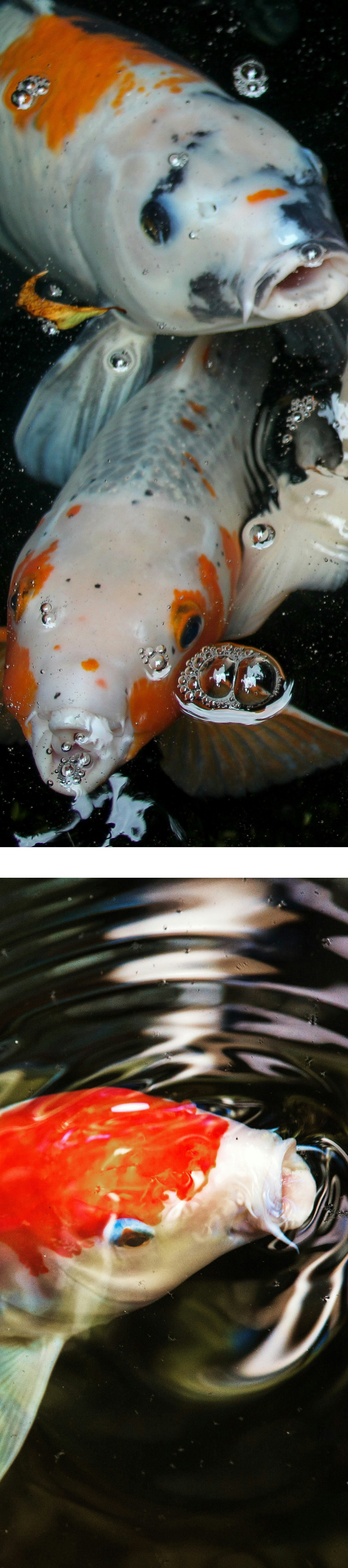 |
As water temperatures rise above 10°C, koi and carp will begin to emerge from their winter torpor. Fish digestive systems need time to fully reawaken, and overfeeding in cold water can sadly cause very serious - but preventable - health problems. Reintroduce feeding gently and gradually, beginning with easily digestible wheatgerm-based foods before moving on to higher-protein summer feeds as the water continues to warm. Fish immunity tends to be at its lowest after winter and Spring is a common time for parasitic outbreaks such as white spot, flukes and ulcers. Include a careful health check and preventative pond treatment as part of your spring routine to keep fish healthy. Now is an important time to check your filtration system. Biological filters will need time to re-establish themselves, as the beneficial bacteria within them reduce considerably during the cold winter months. Netting your pond will help protect your fish from herons, which are particularly bold and active in spring to feed their growing young. Oxygen levels can fluctuate significantly as spring algae blooms develop, and this can place your fish under considerable stress. Ensuring that your pond is well aerated will really help your fish to thrive. |
|
| Rabbits | ||
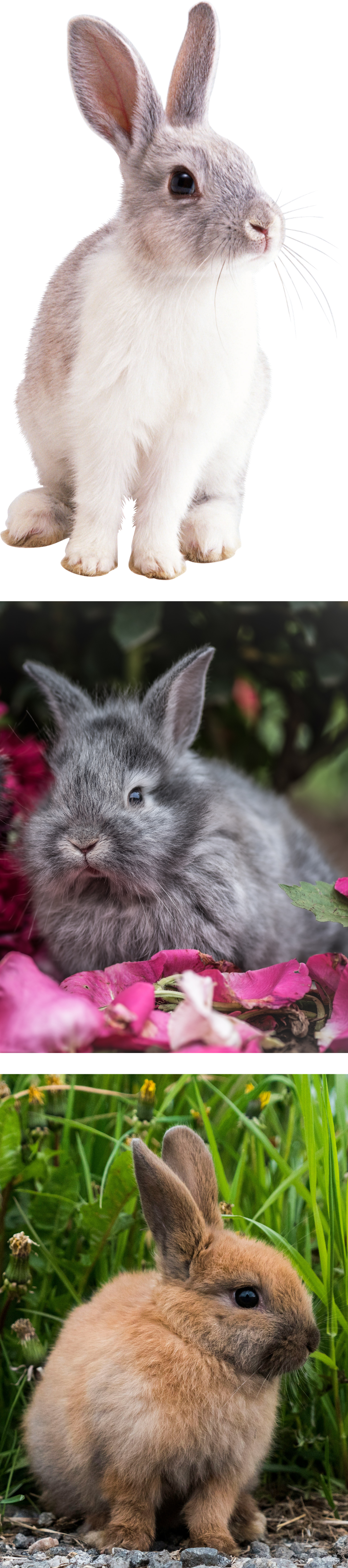 |
Flystrike is one of the most serious risks rabbits face in spring and summer. Flies are attracted to soiled fur around the rear end, and the condition can deteriorate very rapidly. Checking your rabbit at least twice daily and keeping their living space scrupulously clean can be life-saving. Flies will also hover in the litter tray and lay eggs, so clean daily, and spot-clean the litter tray too if you are lucky enough to have more than one bunny! Check with your vet that vaccinations for Rabbit Haemorrhagic Disease (RHD1 and RHD2), Yurvac and Myxomatosis are up to date. Spring is typically when these fall due, and they offer vital protection for the year. Fresh spring grass is something most rabbits absolutely love, but please do introduce it gently and gradually after a winter without it, to give their digestive system time to adjust. Before your rabbit spends time outdoors, take a moment to inspect their enclosure carefully for any gaps or weaknesses. Rabbits are talented escape artists and spring brings increased predator activity, particularly from foxes. Supervising rabbits when they're outside will also help to deter birds of prey, who do not respect fences! |
|
| Reptiles | ||
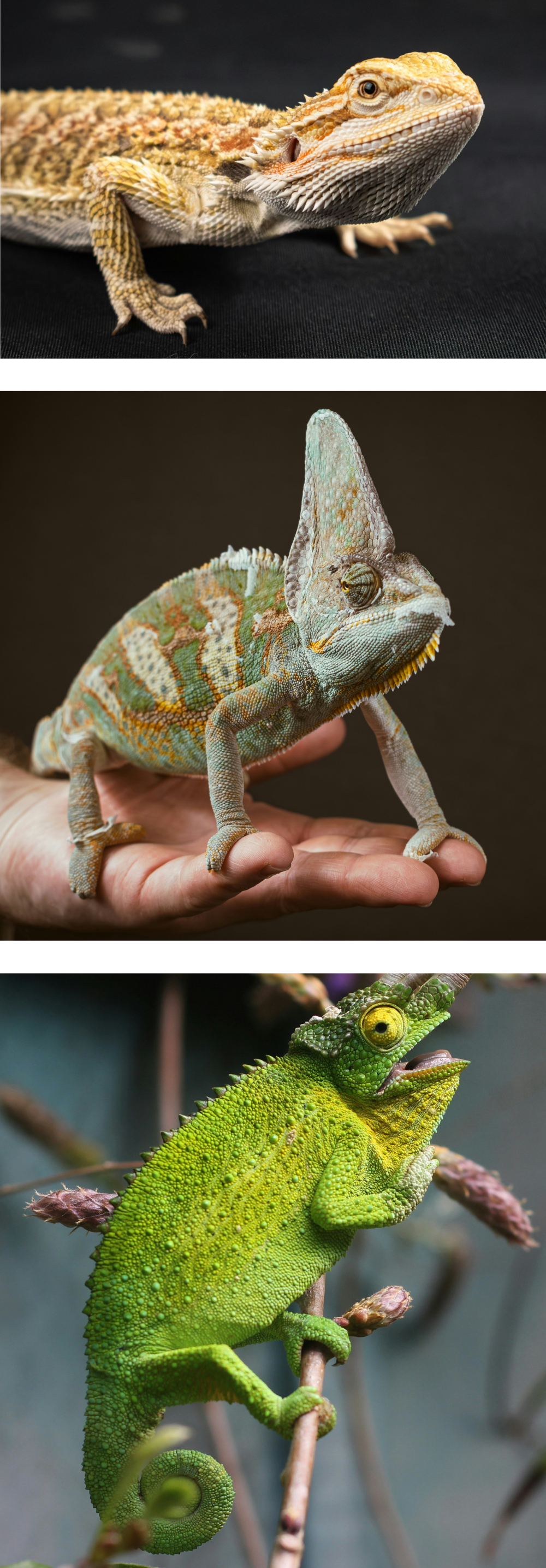 |
As daylight increases and your reptile becomes more lively and alert their metabolism will increase in response to the longer days, so review their heating and lighting arrangements accordingly. Spring is an excellent time for a gentle but thorough health check-over. Weigh your reptile, look carefully at their skin and eyes, and make sure any winter shedding has been completed fully and without any retained patches. If your reptile has been quieter than usual over winter, please reintroduce feeding slowly and monitor their appetite with care and patience. Please do not rely on UVB bulbs appearing lit, check and replace them on a regular basis to ensure that they play their vital role in calcium metabolism for your reptiles. |
|
| Snails | ||
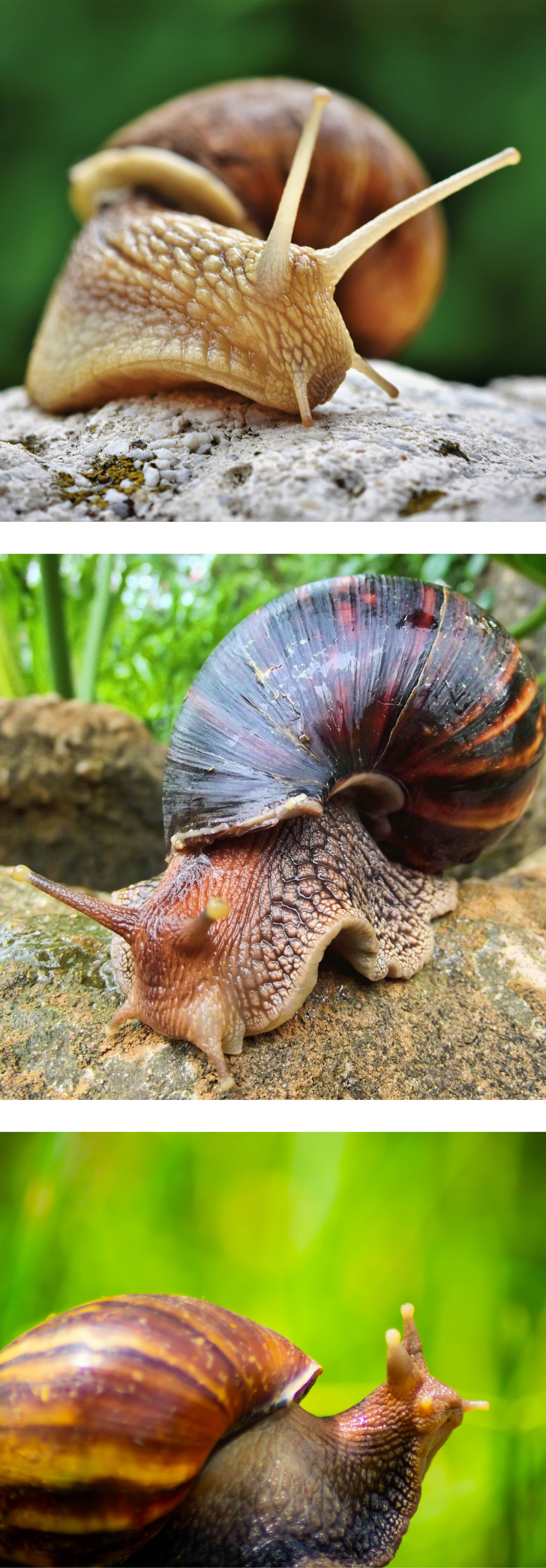 |
Pet snails such as Giant African Land Snails become wonderfully active as spring warmth and humidity increase. Maintaining the right level of humidity in their enclosure is really quite important. If it is too dry they will retreat uncomfortably into their shells, whilst bacterial problems can develop in damp conditions. Calcium is essential for strong, healthy shell growth. Cuttlefish bone or calcidust are both excellent, easily provided sources and should always be available. Spring is a good time to refresh the substrate and give the enclosure a thorough, careful clean. Fresh spring greens such as lettuce, courgette and cucumber make nutritious and very much appreciated seasonal additions to their diet. |
|
| Swans, Ducks & Geese | ||
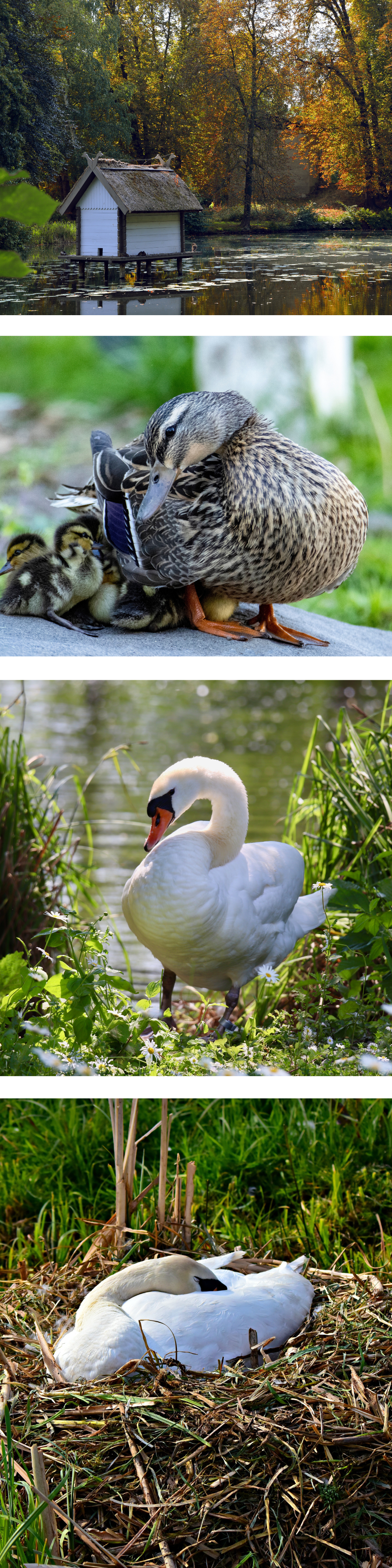 |
Spring is nesting season for waterfowl. Providing a quiet, sheltered and predator-proof nesting space will give your birds the security and peace they need during this important time. Nutritional needs increase considerably during egg production, so please ensure your birds have access to a good quality waterfowl feed and plenty of fresh greens to support them through this demanding period. As temperatures rise and algae growth increases, water quality becomes especially important. Regular cleaning of ponds and water features will help keep your birds healthy and comfortable. Please never give bread to waterfowl. It provides very little in the way of nutrition whilst filling them so they don't look for other food with nutrients that they need. A specialist waterfowl mix is so much better for them. If you are near nesting wild swans or geese, please keep dogs on a lead and at a respectful distance. Nesting birds can become quite protective and may react unpredictably if they feel threatened. |