


Posted by Britten & James on 19th Dec 2025
Enjoying and Helping Wildlife at Winter
Easy ways to help you enjoy winter wildlife, and help the widlife through winter.
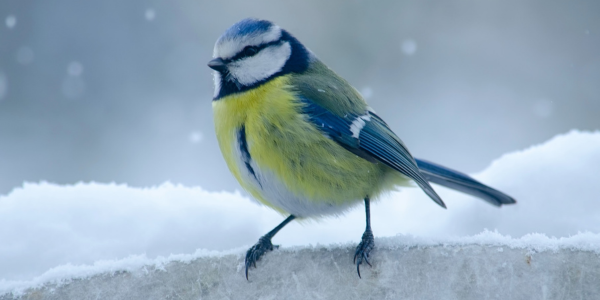 |
Watching wild birds at your feeder in winter can brighten dull days and help the birds survive. Their natural food and water sources are sparse at this time of year, and little birds need a lot more energy to stay warm through longer, colder nights. The latest RSPB advice* is to use feeding stations, seed feeders, suet feeders, suet pellets and peanut feeders instead of bird tables due to the risk of spreading disease. If you have to use a table, please clean it thoroughly, regularly, to avoid any illness spreading among birds.** Choose a high-energy food with suet in, whether you're hanging fat balls, adding suet to your usual food, or giving them an all-in-one mix that leaves no mess. Please put clean, fresh water out too, especially helpful in freezing conditions. |
| - | - |
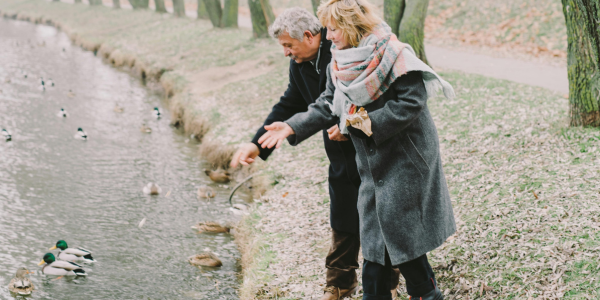 |
Feeding the ducks, swans and geese can be a lovely way to spend a day. Wrap up warm and head out with nutritious food. We recommend our Swan, Duck and Geese Food which is a blend of natural ingredients specifically selected to provide a balance of fibre, iron, protein and carbohydrates for waterfowl. Please don't ever give wild birds bread. It takes up space in their stomachs without providing any of the goodness that they need. |
| - |
- |
 |
Watching squirrels scampering and looking for food is fun for us, but essential for them. We know that keeping squirrels from your bird food can be a problem, especially as squirrels' resources run low. The location of your feeder can help, you can also distract squirrels by giving them their own more-easily-accessible high-energy food to eat. These natural cuttlefish pieces are a great source of calcium for squirrels, and our monkey nuts (afloxin-tested for complete peace of mind) will be back in stock in the new year. |
| - |
--- |
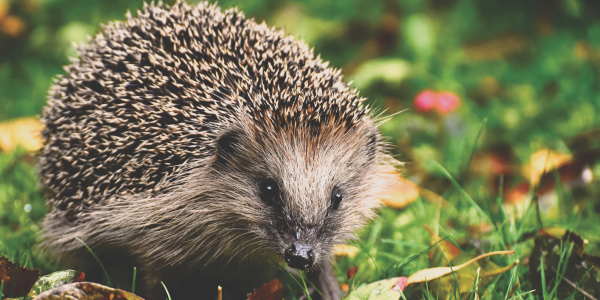 |
Feed a hedgehog! Hedgehogs are especially vulnerable at this time of year. They can cover a couple of miles a night searching for food. Whilst hungry they'll eat anything that they can find, whether it's good for them or not. Unfortunately, many foods can do them harm. Hedgehogs need meaty foods with the right ratio of calcium to phosphorus to support their bones, and bird food can be dangerous for them. Our specialist Hedgehog Food is nutritionally balanced to provide the goodness they need all year round. More about helping hedgehogs here. |
We hope that you get to enjoy all of these activities this winter. We are on Facebook and Instagram if you'd like to share photographs!
-
Bird Table Information from the RSPB, 19th December 2025
*At the RSPB, the safety and welfare of birds has and always will be our priority.
We know so many of you love feeding your garden birds and some bird species really do benefit from us putting out extra food for them, especially in winter. However, there is increasing evidence that for other birds there can also be negative effects such as the spread of disease, especially among finches.
We want to make bird feeding as safe as possible, so we’re reviewing the advice we give you and products we sell based on the latest science.
As a precautionary measure, whilst we await the findings of the review, we have suspended all our bird tables and related products, Table mix and Table mix extra, window feeders and feeder guardians with trays, from sale. This is because there is evidence to suggest that some birds, particularly finches, can be more exposed to disease when fed on flat surfaces like these.
As the country's largest nature conservation charity we want to be transparent with our supporters and customers. We believe suspending the products until we have a better understanding of how the disease spreads is our best option to ensure the safety of birds.
If you have any queries about the review, please contact us at wildlife@rspb.org.uk
Source: RSPB
**Regularly cleaning your bird feeders, tables and baths is essential to ensure garden birds stay healthy. Disease has been linked to population declines in some species and dirty feeders can harbour pathogens and increase the risk of cross-contamination between the birds that visit them. Keeping on top of your cleaning regime will help prevent the risk of spreading disease.
Source: RSPB