

Posted by Britten and James on 21st Sep 2026
Fireworks & Animals: How to Keep Pets, Livestock and Wildlife Safe
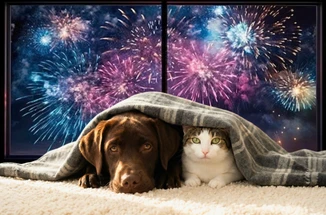
| For many of us, fireworks are part of autumn celebrations, Bonfire Night and other special occasions. But while the colours and excitement can be enjoyable for people, the loud bangs, flashes and unpredictability can be frightening for animals. Dogs, cats, rabbits, guinea pigs, birds, horses, livestock and wildlife can all be affected. Some animals may hide or become restless, while others can panic, attempt to escape or injure themselves. | |
| Why are fireworks frightening for animals? | |
| Animals have much more sensitive hearing than humans, and sudden loud noises can trigger a natural fear response. Fireworks are particularly difficult because they are: | |
|
|
| Signs of stress can vary between species. A dog may pant, pace, tremble or hide. A cat may become withdrawn or try to escape. Rabbits and guinea pigs may freeze, hide or become unusually quiet. Horses and livestock may become restless or attempt to flee. It's important to remember that fear is a natural response. An animal isn't being naughty or difficult when they react to fireworks. | |
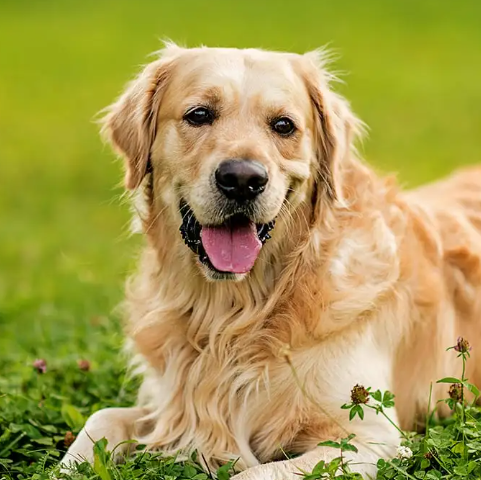 |
Preparing Dogs for Fireworks - Preparation should begin before the first fireworks are heard. Calming treats can help make it a less stressful experience for dogs. |
| Walk before dark - Plan your dog's main walk earlier in the day, before fireworks are likely to begin. If fireworks are expected, avoid letting your dog off lead outdoors unless you're in a secure area. Once fireworks begin, keep your dog indoors and don't take them to a fireworks display. | |
| Create a safe space - Set up a comfortable area where your dog can retreat if they become worried. Their bed, favourite blanket, toys and something familiar that smells like home can help make the space reassuring. | |
| Make your home secure - Close windows, doors and curtains before the fireworks start. This can help reduce both the noise and flashes of light and reduces the risk of a frightened dog escaping. | |
| Consider background noise - TV, radio or familiar music can help mask some of the sounds outside. Keep the volume at a comfortable level and don't introduce unfamiliar sounds if your dog finds them stressful. | |
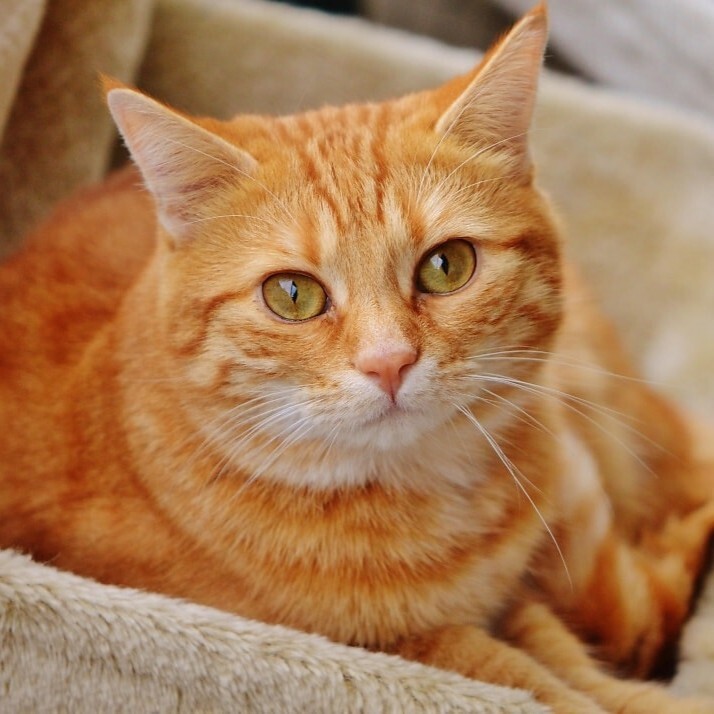 |
Helping Cats Feel Safe - Cats often cope with fear by hiding or attempting to escape. |
| Keep cats indoors - During fireworks season, try to keep your cat indoors after dark, particularly when fireworks are expected. Close cat flaps and windows to prevent escapes. If your cat normally toilets outdoors, make sure they have access to a clean litter tray. | |
|
Give them somewhere to hide - Don't force a frightened cat out of their hiding place. Instead, make sure they have access to comfortable, secure places where they can retreat. This might be beneath furniture, inside a covered bed or another familiar hiding spot. |
|
| Stay calm - Some cats will want reassurance and affection, while others will prefer to be left alone. Watch their behaviour and let them choose how they want to respond. Never punish a frightened animal. Swapping their usual treats for calming treats, given regularly, can help cats. | |
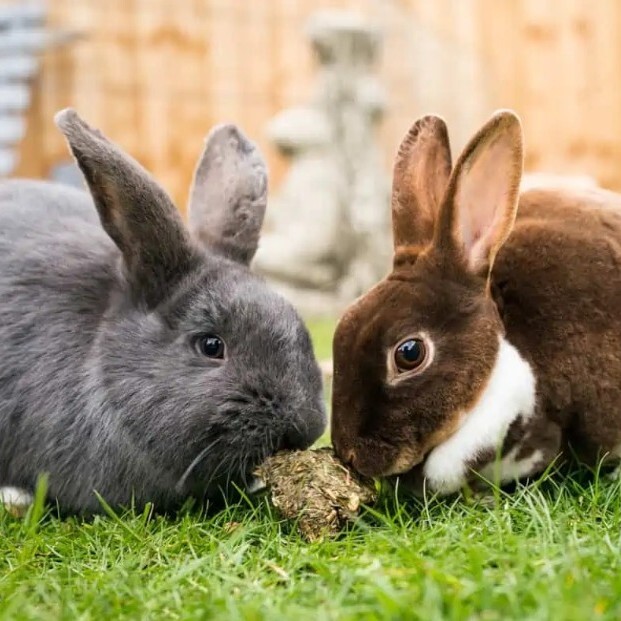 |
Don't Forget Rabbits & Small Pets - Rabbits, guinea pigs, hamsters and other small animals can be particularly vulnerable to loud and unexpected noises. |
|
For indoor small pets, move their enclosure away from windows and close curtains to reduce exposure to flashes and noise. For outdoor rabbits and guinea pigs, consider moving their enclosure into a quiet indoor space, garage or shed where appropriate and safe to do so. |
|
|
If they must remain outside:
|
|
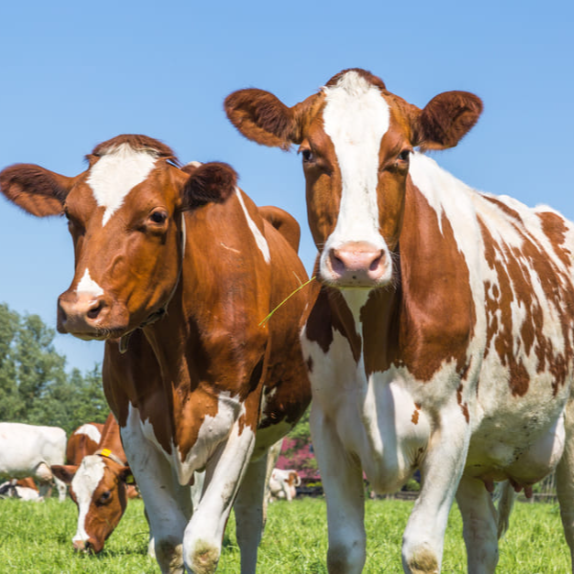 |
Horses & Livestock Need Protection Too- Fireworks aren't just a household-pet problem. Horses, ponies, cattle, sheep, pigs and chickens can all become frightened by sudden bangs and flashes. A panicked animal can attempt to flee and may collide with fencing, buildings or other hazards. |
|
Before fireworks: Check fences and gates - Make sure boundaries, gates and enclosures are secure and remove obvious hazards that could cause injury if an animal becomes frightened. Know when fireworks are happening - If you keep livestock or horses, speak to neighbours and local organisers about planned displays where possible. Knowing when fireworks are likely to happen gives you more time to prepare. Keep routines familiar - Where safe and appropriate, keeping animals in their usual environment and maintaining their normal routine can help reduce additional stress. For horses, the RSPCA recommends checking stables for hazards and ensuring fencing and gates are secure before fireworks events. |
|
|
During the Fireworks: What Should You Do? Once the fireworks begin, your job is to reduce stress and provide security. Stay calm - Animals can pick up on changes in our behaviour. Try to remain calm and behave normally. Let them choose their safe space - If your pet wants to hide, let them hide. If they want to stay close to you, provide reassurance.Don't force them to interact, play or come out of hiding. Never punish fear - Whining, barking, pacing, hiding or other fear-related behaviours aren't deliberate misbehaviour. Punishing an animal while they're frightened can increase their stress and may make future fireworks more difficult for them. Keep escape routes closed - A frightened animal may behave completely differently from normal. Keep doors, windows, gates and cat flaps secure and supervise dogs if they need to go outside. Don't take dogs to fireworks displays - Even a dog that normally enjoys busy environments can panic when fireworks begin. Keeping them safely at home is the safer option. |
|
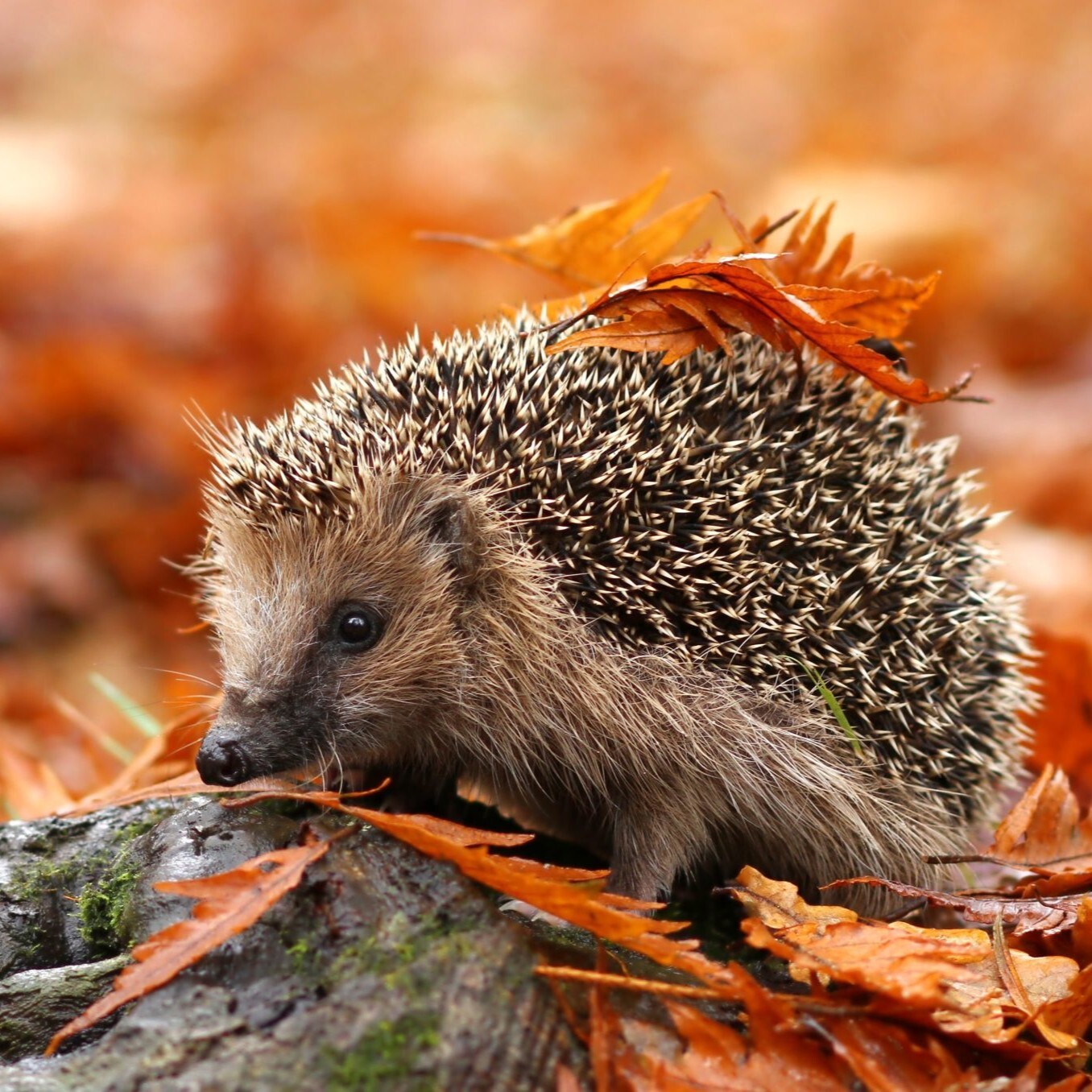 |
What About Wildlife? - Wild animals don't have the benefit of a warm home, secure room or familiar owner when fireworks begin. Hedgehogs, birds, foxes, badgers, squirrels, deer and other wildlife can be disturbed by loud bangs and flashes. They may flee from habitats, abandon roosting areas or be forced to change their normal feeding behaviour. |
|
There are several simple things we can do to reduce the impact. Keep fireworks away from wildlife habitats - If you're organising a display, choose a location away from known wildlife habitats, ponds, lakes, hedgerows, trees and areas where animals may be sheltering. Check bonfires before lighting them - Bonfire piles can provide shelter for hedgehogs and other wildlife. Always thoroughly check a bonfire for animals before lighting it. Better still, build your bonfire as close to the time of lighting as possible rather than leaving a pile standing for days. Clear up firework debris - Once everything has completely cooled, carefully collect firework debris. Leftover materials can be dangerous if wildlife encounters or eats them. The RSPCA also advises against sky lanterns because they can injure animals and create fire risk. |
|
|
Know the Signs of Firework Stress - Every animal is different, but common signs can include: Dogs: Panting, pacing, trembling, barking, whining, hiding, excessive salivation or attempting to escape. Cats: Hiding, becoming withdrawn, attempting to escape, vocalising or changes in toileting behaviour. Rabbits & small pets: Freezing, hiding, trembling, unusual behaviour or changes in eating habits. Horses & livestock: Restlessness, sweating, running, vocalisation, attempting to escape or injuries caused by panic. |
|
| If your animal shows severe distress, injures themselves or continues to show significant changes in behaviour after the fireworks have finished, speak to your vet. For animals with an established fear of fireworks, it's worth seeking professional advice well before fireworks season. Your vet may recommend an appropriate management plan or refer you to a qualified clinical animal behaviourist. | |
|
A Little Preparation Goes a Long Way - Fireworks may only last for a few minutes or hours, but for a frightened animal, that time can feel very different. Most importantly, remember that every animal responds differently. Understanding their behaviour, giving them choices and preparing their environment can help make fireworks season safer and less stressful. Celebrations should never come at the expense of animal welfare. Looking after animals is about more than what we feed them — it's about understanding their needs, their behaviour and the world around them. |
|